
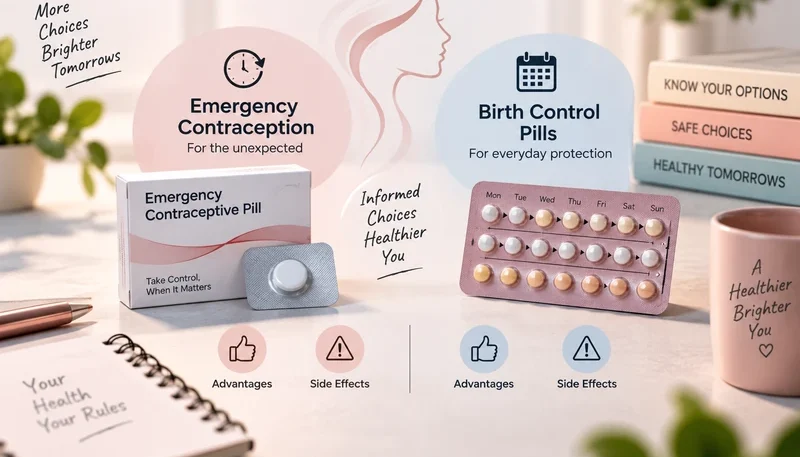

A missed pill. A condom that broke. A moment of confusion about what to do next. These situations happen more often than people talk about, and clear information is still hard to find in West Delhi. This guide covers emergency contraception, daily pills, and the copper IUD honestly, so you know what to expect and when to see a gynaecologist in Delhi.
Quick answer: Levonorgestrel pills work best within 72 hours of unprotected sex (some benefit up to 96 hours). Ulipristal acetate stays effective up to 120 hours. The copper IUD remains the most effective option, over 99%, when inserted within 5 days. Effectiveness drops the longer you wait, so acting promptly matters more than deliberating.
What Is Emergency Contraception?
Emergency contraception is a backup option used after unprotected sex or a contraceptive failure to help prevent an unintended pregnancy. It is not a medical abortion; if pregnancy has already occurred, it will not end it. It works mainly by delaying or preventing ovulation.
Your Emergency Contraception Options
Levonorgestrel Pills
Levonorgestrel-based pills, sold in India as i-pill, Unwanted 72, and Ecee-2, are the most widely available type and work best within 72 hours of unprotected sex.
Ulipristal Acetate
Available by prescription, ulipristal remains effective for up to 120 hours, making it a better option if more time has passed since exposure.
Copper IUD
The copper IUD is the single most effective form of emergency contraception, working up to 5 days after unprotected sex, and doubles as ongoing contraception for up to 10 years if left in place.
| Method | Effectiveness | Window | Best For |
| Levonorgestrel pill | 70–89% | Within 72 hours | Fastest access |
| Ulipristal acetate | Higher than levonorgestrel late | Within 120 hours | More time has passed |
| Copper IUD | Over 99% | Within 5 days | Highest effectiveness + ongoing contraception |
What to Do Immediately After Unprotected Sex
1. Note how much time has passed since the encounter.
2. Choose your method: levonorgestrel if within 72 hours, ulipristal or a copper IUD if more time has passed.
3. Take the pill promptly, or book same-day IUD insertion.
4. Follow up if your period is over a week late, or side effects concern you.
Side Effects of Emergency Contraception
Emergency contraception has not been shown to cause serious complications. Side effects tend to be mild: nausea, headache, fatigue, breast tenderness, cramping, spotting, or a period arriving earlier or later than usual.
| Formulation | Reported Nausea Rate |
| Progestin-only (levonorgestrel) | ~23% |
| Older combined-hormone regimen | ~50% |
This is why progestin-only options are generally recommended first today.
Regular Birth Control Pills: What They Actually Offer
Combined Pills
Combined pills, containing estrogen and progestin, prevent ovulation, thicken cervical mucus, and thin the uterine lining together for daily protection.
Progestin-Only Pills
Often called the mini-pill, these suit breastfeeding women and those who cannot take estrogen, though they require more precise daily timing.
Other Hormonal Methods
Injectables, patches, vaginal rings, and implants work on similar hormonal principles but suit different lifestyles, worth discussing at a consultation.
Real Advantages Beyond Preventing Pregnancy
- More predictable, lighter periods once established
- Less painful periods, since hormonal regulation eases dysmenorrhea
- Clearer skin, as balanced hormones often improve acne
- Lower risk of ovarian and endometrial cancer, persisting for years after stopping
- Reduced pelvic inflammatory disease risk with certain formulations
- Symptom relief for PCOS, since pills regulate cycles
- Fertility returns quickly, usually within a few cycles of stopping
Birth Control Pills Side Effects: An Honest Breakdown
Most side effects ease within the first two to three months: headaches, nausea, breast tenderness, breakthrough bleeding, mood changes, changes in libido, and mild weight fluctuation.
The Risk Worth Understanding Properly
Combined pills carry a small increased risk of blood clots. The table below puts this risk in context.
| Group | Blood Clot Risk (per 10,000 women/year) |
| Not using hormonal contraception | 1–5 cases |
| Using combined birth control pills | 3–9 cases |
This remains low absolute risk for most women, but it climbs for women over 35 who smoke heavily, those with uncontrolled high blood pressure, prior blood clots, migraine with aura, or other cardiovascular risk factors, which is why a consultation should come before starting the pill. Seek urgent care for severe headaches, leg swelling, chest pain, or breathing difficulty.
Drug Interactions and Who Should Be Cautious
Certain medications, including rifampin and some anti-seizure drugs, along with herbal supplements like St. John’s Wort, can reduce pill effectiveness. Always mention every medication and supplement you take during your consultation.
Emergency Contraception vs. Regular Birth Control
Emergency contraception is a backup, occasional-use option with no protection against future unprotected sex. Regular pills are built for consistent, everyday use with additional health benefits. Neither protects against sexually transmitted infections, so condoms remain necessary regardless of method.
Making the Right Choice for Your Situation
The right option depends on your health history, lifestyle, and reproductive plans. Gynaecologists commonly use the WHO’s Medical Eligibility Criteria to match a method safely to your risk profile before recommending what suits you.
Finding Emergency Contraception in Delhi West
If you’re searching for emergency contraception in Delhi after an unprotected encounter, time matters, so knowing your nearest option in advance helps. A local obs and gynae hospital in Uttam Nagar offering same-day consultation removes a genuinely stressful barrier at exactly the moment it matters most.
When to Visit a Family Planning Clinic in Uttam Nagar
Book a consultation if you need help choosing a method, want emergency contraception arranged in advance, have concerning side effects, or want evaluation before starting or switching pills. It’s also worth a visit if your periods have changed or you’re planning to conceive.
Conclusion
Both emergency contraception and regular birth control pills are safe, well-studied options when used correctly and with proper medical guidance, each offering genuine benefits alongside manageable side effects. Understanding the real difference between the two, and knowing your own health history, helps you make a confident decision rather than a rushed one. Gandhi Hospital in Uttam Nagar offers experienced, confidential gynaecological care close to home.
Gandhi Hospital has served West Delhi families for more than three decades, with a 60-bed multispeciality setup, dedicated gynaecology consultation, and 24×7 emergency and OPD services, offering confidential consultations for emergency contraception, birth control guidance, and broader reproductive health concerns close to home. Learn more or book a consultation at gandhihospital.info.