
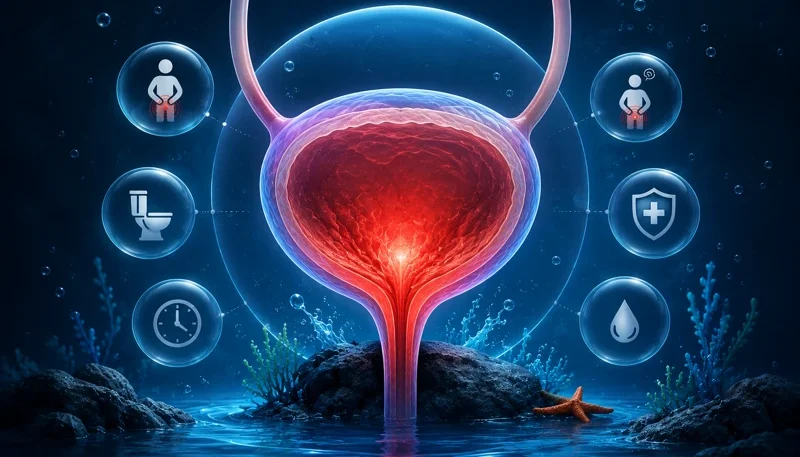

3–6% of women globally experience chronic bladder pain symptoms linked to Bladder Pain Syndrome, according to NIDDK. This condition is a long-term urological disorder that causes persistent pain, pressure, or discomfort in the bladder area, often lasting for more than 6 months.
Bladder Pain Syndrome (BPS), also called Interstitial Cystitis, is frequently misunderstood in India as a recurring urinary infection. Unlike a simple UTI, it does not always involve bacteria and does not respond to antibiotics. Instead, it is a chronic bladder sensitivity condition that requires structured urological evaluation.
Patients often search for symptoms like pelvic pain, frequent urination, and burning sensation, which may overlap with other urinary conditions. In multispecialty hospitals in Uttam Nagar, Delhi evaluate these symptoms using urine tests, cystoscopy, and bladder assessments to rule out infection and confirm chronic bladder pain patterns.
Early consultation with a urologist in Delhi is important when symptoms persist beyond a few weeks, especially when pain affects daily life or sleep quality.
Causes of Bladder Pain Syndrome in Patients
Bladder Pain Syndrome has no single confirmed cause, but multiple biological and neurological factors are linked to it.
1. Bladder Lining Damage (Protective Layer Defect)
The bladder’s protective lining becomes weak in many patients. This allows urine to irritate the bladder wall, causing pain and inflammation. This defect is one of the most widely accepted contributing factors.
2. Nerve Sensitivity in Pelvic Region
Overactive nerve signaling increases pain perception even with normal urine volume. Patients may feel discomfort even when the bladder is not full. This is linked to abnormal pain transmission in pelvic nerves.
3. Chronic Inflammation (Non-Bacterial)
Inflammation occurs without infection in many cases. Unlike UTI, bacteria are usually not present. This makes diagnosis difficult and often delayed in patients.
4. Autoimmune Response Factors
Some studies suggest immune system dysfunction may trigger bladder wall irritation. The body may mistakenly attack healthy bladder tissues, increasing symptoms over time.
5. Trigger-Based Aggravation
Certain foods and lifestyle factors worsen symptoms in many patients. Common triggers include:
- Caffeine
- Spicy foods
- Stress
- Dehydration
Symptoms of Bladder Pain Syndrome Explained
Up to 90% of patients report urinary urgency and frequent urination as the most common symptoms. According to Mayo Clinic data, symptoms of Bladder Pain Syndrome vary in intensity and often worsen over time if untreated.
1. Chronic Bladder or Pelvic Pain
Persistent pain in the lower abdomen or pelvic region is the primary symptom. The pain may increase when the bladder fills and reduce after urination.
2. Frequent Urination (Day and Night)
Patients may urinate more than 8–10 times a day. Nocturia (night-time urination) is also common and disrupts sleep cycles.
3. Urgency Without Infection
Strong urge to urinate occurs even when the bladder is not full. Urine tests often show no bacterial infection, distinguishing it from UTI.
4. Burning or Pressure Sensation
Many patients feel burning discomfort or pressure in the bladder area. This sensation may mimic urinary tract infection but persists even after antibiotics.
5. Pain Variation with Bladder Filling
Symptoms often worsen as the bladder fills and reduce temporarily after urination. This pattern is a key clinical indicator used by urologists during evaluation.
Diagnosis of Bladder Pain Syndrome in Delhi Hospitals
Diagnosis of Bladder Pain Syndrome requires multiple tests because symptoms overlap with urinary tract infections.
1. Urine Test (Urinalysis and Culture)
First step in Delhi hospitals is ruling out infection. Urine samples are tested to check for bacteria, blood, or inflammation markers. A normal culture often indicates non-infectious bladder pain.
2. Cystoscopy Examination
A thin camera is inserted into the bladder to inspect internal walls. This helps identify inflammation, ulcers, or structural abnormalities. It is commonly used in major urology hospitals in Delhi.
3. Bladder Filling Test (Urodynamic Study)
Bladder function is tested by measuring pressure and capacity. Patients with Bladder Pain Syndrome often show discomfort at lower bladder volumes compared to normal patients.
4. Symptom History Evaluation (≥6 Months Duration)
Doctors confirm chronicity only when symptoms persist for more than 6 months. This helps differentiate Bladder Pain Syndrome from temporary infections or irritation.
Bladder Pain Syndrome Treatment in Uttam Nagar, Delhi
Treatment for Bladder Pain Syndrome is symptom-based because there is no single permanent cure.
1. Lifestyle and Diet Modification
First-line treatment in Delhi hospitals focuses on reducing bladder irritation. Patients are advised to avoid caffeine, spicy food, carbonated drinks, and acidic foods that can trigger symptoms. Hydration balance is also maintained to reduce bladder stress.
2. Oral Medications for Pain Control
Doctors may prescribe pain-relief and bladder-calming medications. These include anti-inflammatory drugs, nerve pain modulators, and bladder stabilizers depending on symptom severity.
3. Bladder Instillation Therapy
In moderate to severe cases, medication is directly introduced into the bladder. This procedure helps reduce inflammation and pain at the bladder wall level. It is available in major urology hospitals in Delhi.
4. Physical Therapy for Pelvic Muscles
Pelvic floor therapy is used when muscle tension contributes to pain. Specialized physiotherapy helps relax pelvic muscles and reduce urinary urgency symptoms.
5. Advanced Procedures in Severe Cases
In rare cases, surgical or advanced interventions may be considered. These are used only when symptoms are severe and do not respond to standard treatment methods.
Bladder Pain Syndrome is a chronic urological condition affecting bladder function, with symptoms lasting beyond 6 months in most diagnosed cases. It is often confused with urinary tract infections, but unlike infections, it does not respond to antibiotics and requires specialist evaluation.
Early diagnosis in Delhi is important because untreated symptoms can significantly affect sleep, daily comfort, and quality of life. Urologists use urine tests, cystoscopy, and bladder function assessments to confirm the condition and rule out other diseases.
If you are experiencing persistent bladder pain, frequent urination, or urinary discomfort, early consultation is strongly recommended.
Gandhi Hospital, Delhi, provides accessible urology services for evaluation and management of bladder-related conditions. Patients can undergo initial diagnosis, urine testing, and specialist consultation for chronic urinary symptoms under supervised medical care.
Early medical evaluation can help prevent long-term complications and improve quality of life.