
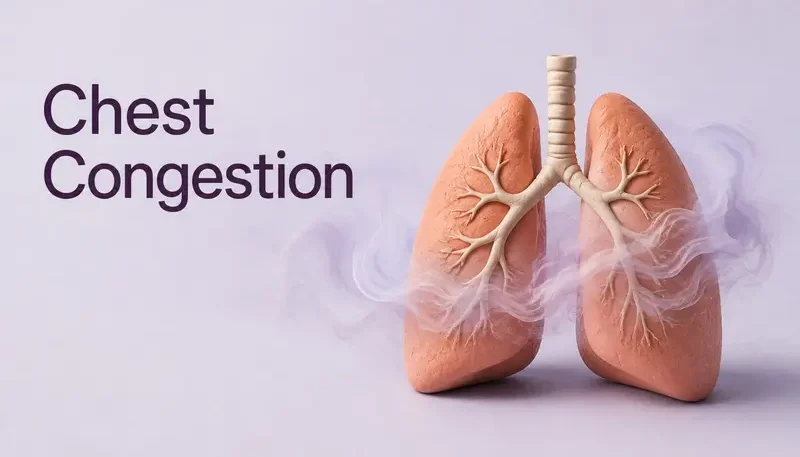

That heavy, clogged feeling in your chest, the one that makes you cough repeatedly just to catch a proper breath, rarely announces itself politely. It usually creeps in after a cold, tags along with the seasonal flu, or lingers well after everyone around you seems to have recovered. Chest congestion is uncomfortable enough to disrupt sleep, work, and basic daily comfort, but the good news is that most cases are manageable at home once you understand what’s actually happening in your airways. You can also contact an ENT specialist in Uttam Nagar if you need professional help.
What Exactly Is Chest Congestion?
Chest congestion happens when excess mucus builds up in your airways and lungs, making it harder to breathe freely and triggering that familiar urge to cough. Your lungs normally produce a small, steady amount of mucus to trap dust, irritants, and germs. During an infection or allergic reaction, that production ramps up sharply, and when the extra mucus can’t clear out fast enough, it pools in the chest, creating pressure, wheezing, and a persistent cough.
Common Symptoms of Chest Congestion
Chest congestion rarely shows up alone. Watch for this combination of signs:
- A productive cough, meaning one that brings up mucus or phlegm
- A feeling of tightness, heaviness, or pressure across the chest
- Wheezing or a crackling sound while breathing
- Shortness of breath, particularly with activity
- Fatigue from the ongoing effort of breathing and coughing
- Fever, body ache, or sore throat, if the cause is an active infection
What Causes Chest Congestion?
Several conditions can trigger it, and the underlying cause shapes how it should be treated:
- Viral infections: The common cold and influenza are the most frequent causes, driving up mucus production as the body fights off the virus
- Bronchitis: Inflammation of the airways, often following a respiratory infection
- Allergies: Exposure to dust, pollen, or pet dander can trigger airway inflammation and mucus buildup
- Asthma: Chronic airway inflammation that can cause recurring episodes of chest congestion
- Sinus infections: Post-nasal drip from a sinus infection can trickle down into the throat and chest, worsening congestion
- Environmental irritants: Smoke, pollution, and strong fumes can inflame the airways directly
- Pneumonia: A more serious lung infection that can present with heavier congestion, high fever, and difficulty breathing
Best Home Remedies for Chest Congestion Relief
For mild to moderate chest congestion without warning signs, these remedies genuinely help loosen mucus and ease breathing:
Stay well hydrated. Water, warm soups, and herbal teas help thin mucus, making it easier for your body to clear it through coughing.
Use steam therapy. A hot shower or a bowl of hot water with a towel draped over your head lets you breathe in warm, moist air, which loosens mucus and eases chest tightness.
Try a humidifier. Adding moisture to dry indoor air, especially while sleeping, helps prevent mucus from thickening further overnight.
Sleep with your head elevated. Propping yourself up with extra pillows helps mucus drain more easily and reduces nighttime coughing.
Gargle with warm salt water. This can ease throat irritation that often accompanies chest congestion, particularly when post-nasal drip is involved.
Try honey and warm water or ginger tea. Both have a long-standing reputation for soothing throat irritation and easing coughing, alongside their pleasant warming effect.
Use saline nasal drops or spray. These can help clear nasal congestion that’s contributing to post-nasal drip and chest tightness.
What About Chest Congestion Medicine?
Over-the-counter expectorants can help thin mucus and make it easier to cough up, while decongestants may relieve associated nasal symptoms. Paracetamol or ibuprofen can help with fever and body ache. Antibiotics are not effective against viral chest congestion, they only help when a bacterial infection, such as bacterial pneumonia, is confirmed. If your congestion is linked to a chronic condition like asthma or COPD, your doctor may prescribe specific inhalers or anti-inflammatory medication tailored to that condition.
When Chest Congestion Needs a Doctor’s Attention
Most chest congestion clears up within one to two weeks with rest and home care. See an ENT doctor in Uttam Nagar if you notice:
- Symptoms lasting more than three weeks
- A fever of 100.4°F (38°C) or higher that isn’t improving
- Coughing up blood or unusually thick, discoloured mucus
- Chest pain or genuine difficulty breathing
- Wheezing that’s new or getting worse
- Symptoms in a young child, elderly person, or anyone with an existing lung or heart condition
Why Chest Congestion Often Needs an ENT Evaluation
Chest congestion doesn’t always start in the chest. Post-nasal drip from sinus infections, allergies, or structural nasal issues is one of the most overlooked contributors, and it’s precisely the kind of problem an ENT specialist is trained to identify. If your chest congestion keeps recurring alongside nasal blockage or sinus symptoms, treating the nose and throat, not just the chest, is often the missing piece for lasting relief.
Conclusion
Chest congestion is uncomfortable but usually manageable with steam, hydration, rest, and a bit of patience. What matters most is recognising when home remedies aren’t enough, particularly when congestion lingers, worsens, or keeps returning alongside nasal or sinus symptoms. If that sounds familiar, Gandhi Hospital in Uttam Nagar offers experienced general medicine and ENT care to help you finally breathe easy.
Gandhi Hospital has served West Delhi families for over three decades, with a 60-bed multispeciality setup and 24×7 emergency and OPD services designed for exactly this kind of everyday but genuinely disruptive illness. When chest congestion doesn’t respond to home care, or keeps recurring alongside sinus or throat symptoms, the hospital’s general physicians and ENT specialists work together to identify the actual cause rather than treating the cough in isolation, so you’re not left cycling through remedies without real answers.